
Do I Need HOA Approval or a Permit for a Patio Cover in Arizona?
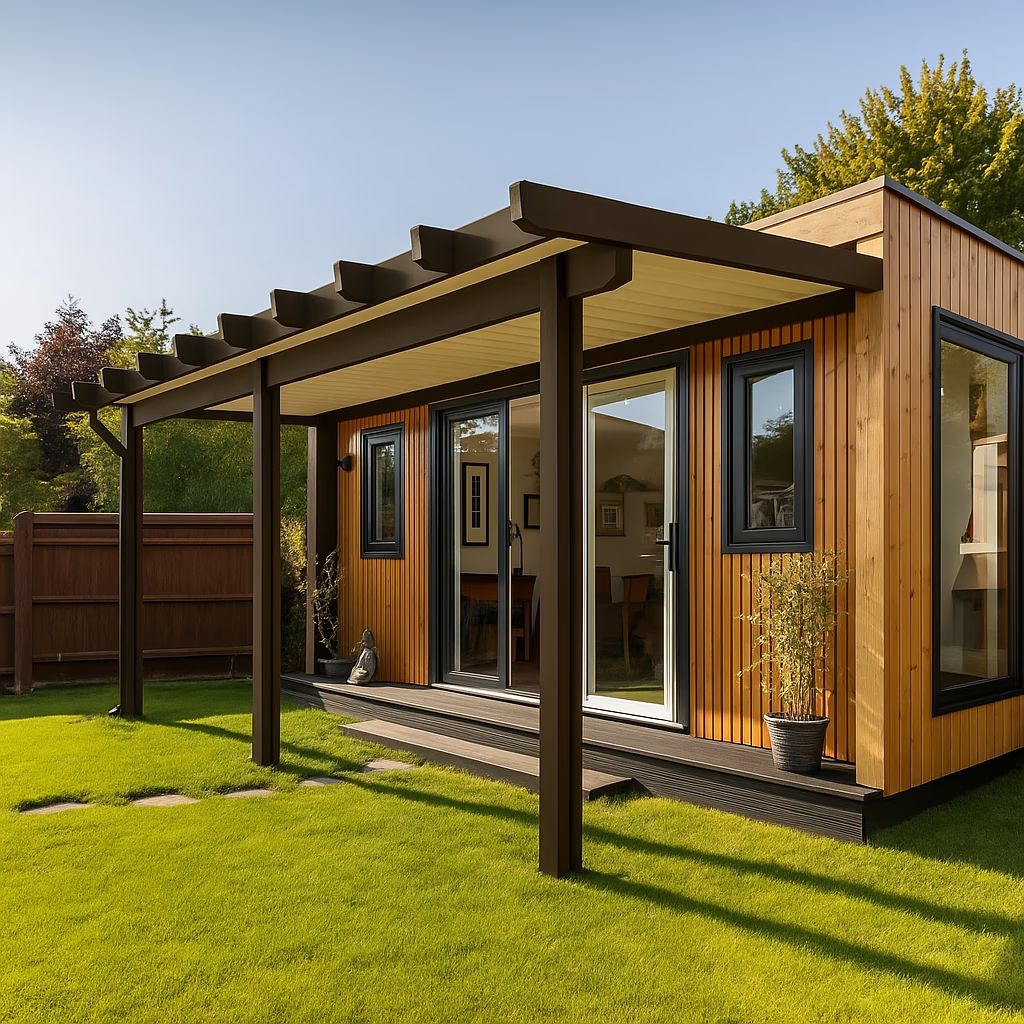
In most Arizona cities, yes, you need a building permit for a patio cover that attaches to your house, and if you live in an HOA community, you also need the HOA’s written approval before work starts. The good news is that both are very doable, and a good contractor will carry most of that load for you.
I own Southwest Patio, and I’ve been building patio covers, pergolas, and awnings around Phoenix for more than 20 years (ROC #282768). Folks call us “The Shade Experts.” I’ve filled out more permit forms and HOA requests than I can count. So let me walk you through how this really works, and where people get tripped up.
When You Need a Permit for a Patio Cover in Arizona
Most Valley cities require a building permit for any patio cover that attaches to your home. That includes Phoenix, Mesa, Glendale, Goodyear, Surprise, and just about every city we work in. The city wants proof that the cover can stand up to our monsoon winds and that the posts sit on real footings. That’s not red tape for the sake of red tape. I’ve seen what a July microburst does to a cover that was screwed into stucco with no engineering behind it. It ends up in the neighbor’s pool.
The permit process usually looks like this:
• Submit engineered drawings and a site plan to the city.
• Set the posts and footings, then pass a footing inspection.
• Finish the install and pass a final inspection.
Fees and review times vary by city, so plan on a few weeks from application to approval. Permits also add a little to your budget. I break down all the numbers in my post on aluminum patio cover cost in Arizona.
What Your HOA Wants to See
If your neighborhood has an HOA, and most newer ones around the Valley do, you’ll need to send in an architectural request before anything gets built. The board usually wants a drawing of the cover, the exact color, the height, and where it sits on your lot. Most boards approve covers that match the home. Earth tones and clean designs sail right through. Bright colors and odd shapes get questions.
Two rules of thumb from my 20 years of doing this. First, submit to the HOA before you apply with the city, because the HOA can ask for changes. Second, submit early. Many boards only meet once a month, so a request that misses the meeting waits for the next one. Plan on two to six weeks for HOA approval.
Taller covers draw more HOA attention because they are visible from the street. That comes up most on two-story homes, which we cover in can you attach a patio cover to a two-story house in Arizona, including how we handle the submittal for you.
There's a money reason behind all this paperwork, not just a rules reason. Appraisers only credit permitted covered square footage. A cover built without a permit often counts as zero, and once in a while it has to come out before a sale can close. Doing the HOA submittal and the permit in the right order is what turns your patio cover into value instead of a problem. I explain what appraisers and buyers actually pay for in do patio covers add value to your home in Arizona.
A Real Story: The Cover That Went Up Without Paperwork
A few years back, a homeowner in Surprise called me in a panic. He’d paid a handyman to build a patio cover the summer before. No permit, no HOA request, posts sitting right on the pavers. Then two letters showed up in the same week: one from the HOA telling him to remove it, and one from the city asking about an unpermitted structure.
We were able to save the cover, but it wasn’t cheap. We had to get engineered drawings done after the fact, dig proper footings under the existing posts, and walk the whole thing through the city as a retro permit while the HOA reviewed the design. By the end, he’d spent about half again what it would have cost to do it right the first time. He’s a happy customer now, but I’d rather you skip that lesson.
The Honest Answer: Sometimes You Don’t Need Either One
I’ll be straight with you, because that’s how I’d want to be treated. Not every shade project needs paperwork. If your home isn’t in an HOA, there’s no approval to get. And some cities don’t require a permit for a small freestanding structure under a certain size, often somewhere around 200 square feet, though every city sets its own number. A shade sail, a patio umbrella, or a simple bolt-on window awning usually needs nothing at all.
So don’t let anyone sell you engineering you don’t need. But when in doubt, one quick call to your city’s building department beats a tear-down order every single time. We make that call for our customers before we ever quote the job.
How We Handle HOA Approval and Permits for You
At Southwest Patio, the paperwork is baked into the job. After your free estimate, we put together a complete HOA packet with drawings, spec sheets, and color samples. Most HOAs require the homeowner’s name on the request, so we hand you a ready-to-send packet and coach you through it. On the city side, we pull the permit, schedule the footing and final inspections, and meet the inspector so you don’t have to burn a vacation day.
We do this for every style we build, and you can compare them all on our patio cover product styles page. Whether you want a basic lattice cover, a solid insulated cover strong enough for ceiling fans, or a motorized louvered system, the approval steps are the same. And it doesn’t matter if you’re in Phoenix or out in Queen Creek. We know which cities want what, because we’re in their permit offices every week.
Get Your Patio Cover Permit and HOA Approval Handled
Here’s the bottom line: you probably do need a permit for a patio cover in Arizona, and your HOA probably wants a say too, but neither one should scare you off from getting the shade you want. Southwest Patio has been guiding Valley homeowners through this paperwork for over 20 years, and we install proven Solara and Four Seasons product lines with financing available. Estimates are always free, and so is the advice. Call or text me at 623-695-6445 and we’ll get your project moving, paperwork and all.
Approvals and permits are also the biggest variable in how long your whole project takes, more than the construction itself. If you are trying to plan around a party, a season, or a home sale, see the stage-by-stage schedule in how long does it take to install a patio cover in Arizona.
Frequently Asked Questions
How long does HOA approval take for a patio cover?
Most HOAs around Phoenix take two to six weeks, depending on how often the board meets. A complete packet with drawings and color samples speeds things up, and we provide that packet for our customers.
What happens if I build a patio cover without a permit in Arizona?
You risk fines, a stop-work or removal order, and headaches when you sell the house, since unpermitted structures often surface during inspections. Fixing it afterward with a retro permit almost always costs more than doing it right the first time.
Does a freestanding pergola need a permit?
Sometimes. Many cities exempt small freestanding structures under a size limit, often around 200 square feet, but the rules differ from city to city. We check with your city’s building department before we quote, so you get a straight answer for your address.